Electrical Repairs in Langhorne, PA: 9 Common Electrical Issues and What Your Electrician Will Check First
If you are dealing with urgent electrical repairs in Langhorne, PA, you want answers fast. This guide shows what a licensed electrician looks for first, why those checks matter, and how to keep your Bucks County home safe. If something feels off, schedule professional electrical repairs with Mandia Electric at 215-752-2906.
What Electrical Repairs in Langhorne, PA Usually Start With
Every home tells a story through its lights, outlets, and panel. Your electrician starts by listening for the “clues” your system gives and then follows a consistent process to pinpoint the cause quickly.
- Interview and symptom mapping: which rooms, what time of day, and what changed recently.
- Visual scan of the panel: breaker condition, labeling, and any signs of heat or corrosion.
- Targeted testing: GFCI and AFCI trips, voltage checks, and neutral integrity.
- Device inspection: look for loose terminations, backstabbed outlets, and worn switches.
- Circuit pattern review: shared neutrals, multi-wire branch circuits, and overloaded runs.
- Moisture and environment: bathrooms, kitchens, exterior receptacles, and basements are common in Bucks County homes.
Want an overview of the high-quality services we provide as a trusted Bucks County electrician? Start with our homepage, then come back to this checklist as you talk with your electrician.
1) Frequently Tripping GFCI or Breakers
GFCIs that trip the moment you plug in a device point to wiring mix-ups or a device fault. Breakers that trip under normal use can hint at tired breakers, heavy start-up loads, or loose connections. Your electrician will verify line and load on GFCIs, test the device that causes trips, and check for nuisance tripping patterns from refrigerators, microwaves, or window AC units common in older homes around Middletown Township and nearby neighborhoods. Never bypass a GFCI to “make it work.” If your service is due for more capacity, your pro may recommend panel upgrades to match today’s demand.
2) Flickering or Dimming Lights
One lamp flickering could be a bulb or a loose lamp connection. Whole-room dimming when appliances kick on suggests a circuit load issue. House-wide flicker can hint at a larger service or utility-side concern, especially after storms that roll through Bucks County. Your electrician will test for voltage drop, inspect neutral connections, and check switches and fixtures for wear or heat damage. If a flicker appears across multiple rooms, that’s treated as a priority safety check.
3) Dead Outlets or Half-Hot Confusion
An outlet can stop working for many reasons: failed internal parts, tripped GFCI upstream, or a loose wire in a junction box. Sometimes a living room outlet is “half-hot” by design, so a wall switch controls only one receptacle tab. Your electrician will trace the circuit, locate any upstream GFCIs, and verify whether the outlet is intentionally split or miswired. These tests prevent repeated trips and protect sensitive electronics.
4) Warm, Loose, or Backstabbed Outlets and Switches
Devices that feel warm or show discoloration are red flags. Many older homes still have “push-in” style terminations from past projects. Backstabbed connections loosen over time, which can cause arcing, flicker, and intermittent outages. Your electrician will move conductors to side-screw or pressure-plate terminals, add proper pigtails, and confirm secure grounding so the device runs cool and stable.
5) Shared Neutrals Causing Nuisance Trips
Shared neutrals, often found on multi-wire branch circuits, can trigger instant GFCI or AFCI trips and make troubleshooting feel like whack-a-mole. Your electrician will test current balance, verify neutral routing, and isolate circuits that were accidentally tied together during past renovations. This is a common hidden issue in homes that have seen several owners or additions. Cleaning up shared neutrals restores safety and stops the endless reset routine.
6) Buzzing or Warm Breakers and Panels
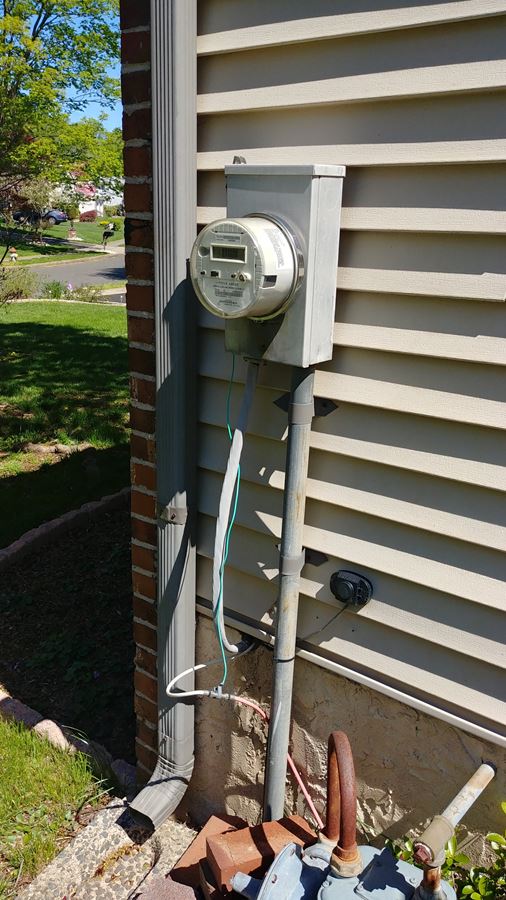
A faint hum under load can be normal. A loud buzz or heat at a breaker is not. Electricians check for loose lugs, tripped breakers, and poor labeling that hides double-tapped conductors. They also look for moisture routes from exterior meter locations that can creep toward the panel during heavy rains. If the system shows age or strain, your pro may suggest a phased plan so you can address the most important risks first.
7) Burning Smells or Scorch Marks
Smoke-like odors near outlets, switches, or the panel require immediate attention. Your electrician will open the affected box, look for charred insulation, and test surrounding devices for heat damage. Do not ignore burning smells or scorch marks. Early repairs can prevent fire and protect your home’s wiring before more components are damaged.
8) Aluminum Wiring and Aging Splices
Parts of Bucks County have homes with aluminum branch circuits from past decades. Modern terminations and proper connectors are critical wherever copper and aluminum meet. Your electrician will identify aluminum runs, review splices inside boxes, and recommend safe, long-lasting connection methods. If chronic issues show up on the same circuits, the pro will outline options that improve reliability without pushing you into unnecessary work.
9) Whole-Home Surges or Brownouts
Lightning and utility events can deliver quick surges or low-voltage “sags.” The result can be flicker, reboots, or shortened appliance life. Your electrician will check the service conductors, neutral integrity, and sensitive circuits like office setups and home theaters. Whole-home surge protection helps shield your electronics and works best when paired with good grounding and solid terminations. Learn how protection fits your home’s layout and panel location with our surge protection services.
What Your Electrician Checks First, At A Glance
- Panel health: breaker condition, clear labeling, and neutral-ground integrity.
- Device terminations: tighten loose conductors and replace backstabbed outlets.
- Protection devices: confirm GFCI and AFCI are wired correctly and reset properly.
- Circuit design: find shared neutrals, overloaded runs, and odd splices from past renovations.
- Environment: moisture-prone areas and exterior boxes that see seasonal weather.
Local Notes For Langhorne And Nearby Neighborhoods
Homes around Langhorne vary from newer builds to mid-century and 1970s layouts. Older circuits may share neutrals or rely on mixed devices from different eras. Basements and exterior receptacles near Core Creek Park and the Neshaminy Creek corridor often see more moisture. Your electrician accounts for these patterns during testing so the repair plan fits your home, not just a textbook example.
Why Homeowners In Bucks County Choose Mandia Electric
Clear communication, careful testing, and straight answers. That is what you can expect from Mandia Electric. We fix the immediate issue, explain the root cause in plain language, and outline the next steps you can schedule on your timeline. For recurring trips, capacity concerns, or expansion plans, we can pair targeted repairs with sensible upgrades like panel upgrades when they truly add value.
When To Call A Local Electrician In Langhorne
Call a pro if you notice any of the following. Waiting rarely makes electrical issues cheaper or safer:
- Repeated GFCI or breaker trips, especially when nothing big changed in your home.
- Flickering across multiple rooms or during calm weather.
- Outlets that feel hot, smell odd, or show discoloration.
- Buzzing at the panel or any visible scorch marks.
- Electronics rebooting often after storms or power blips.
Ready To Solve Electrical Problems The Right Way
If you live in Langhorne or anywhere in Bucks County and want a safe, lasting fix, schedule professional electrical repairs with Mandia Electric. Call 215-752-2906 and we will prioritize your home, explain our findings, and get you back to normal fast.