Aluminum Wiring in Bucks County Homes: When It’s Time to Rewire
If you own a home in Bucks County, there’s a good chance you’ve heard about aluminum wiring. Many houses built in the late 1960s and 1970s used it for branch circuits. It seemed like a smart, affordable choice at the time, but experience has shown how it behaves differently than copper. When those differences add up, they can lead to loose connections, overheating, and unreliable power. That’s why informed homeowners across Langhorne, Langhorne Manor, Penndel, Fairless Hills, and Newtown keep a close eye on this topic.
In this guide, we’ll cover what aluminum wiring means for your home, the clear warning signs, and how a professional rewiring project puts safety first. If you’re already weighing your options, see how a careful aluminum wiring replacement plan makes a lasting difference.
Aluminum Wiring Problems: What Homeowners in Bucks County Should Know
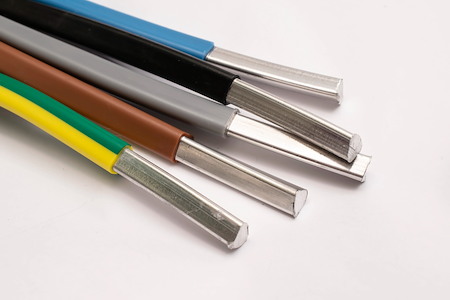
Aluminum is a capable conductor, but it expands and contracts more than copper as it heats and cools. Over time, that movement can loosen terminations at outlets, switches, and junctions. Loose terminations increase resistance, which creates heat. Heat stresses the connection even more. It’s a cycle you don’t want inside your walls.
Another issue is oxidation. When exposed to air, aluminum forms a layer of oxide. That layer is not a good conductor, and it can interrupt a snug electrical connection. Add in years of normal use, the occasional space heater in winter, and the seasonal temperature swings we see around Langhorne, and weak points can show up fast.
If your home was built or remodeled during the mid‑1960s to late‑1970s, it’s worth having the wiring evaluated by a pro. You’re not alone; many neighborhoods across Middletown Township and the Neshaminy School District area share the same vintage and concerns.
Common Warning Signs You Shouldn’t Ignore
Every home is different, but certain patterns show up again and again. If you notice any of the following, it’s time to pause and have it checked by a qualified professional:
- Flickering or dimming lights when appliances start
- Warm or discolored outlets and switch plates
- Buzzing sounds from devices or wall boxes
- Frequent tripped breakers with light loads
- Occasional burnt or “hot” smells near outlets
Flickering lights, warm outlets, or a burnt smell are warning signs to stop using that circuit and call a pro. These clues don’t always confirm aluminum wiring problems, but they often point to loose or stressed connections that should be addressed promptly.
When It’s Time To Replace Aluminum Wiring
Some homes can limp along with older wiring for years, but that doesn’t mean they should. Replacement becomes the smart choice when you’re seeing recurring issues, planning major renovations, adding new loads, or simply want a safer, more reliable system for the long term. For many Bucks County homeowners, peace of mind is the key reason to move forward.
There are different strategies to upgrade. Whole‑home rewiring replaces aluminum branch circuits with copper. Targeted rewiring focuses on the most critical circuits first, then phases in the rest. Your options depend on your home’s size, age, and how the circuits were run. A licensed, local expert will help you choose the approach that fits your goals without guesswork.
How A Licensed Electrician Rewires Safely
A thorough rewire isn’t just about pulling new cable. It’s a step‑by‑step process designed around safety, clean workmanship, and minimal disruption to your daily life.
- Assessment: Map the existing circuits, outlets, and panel; verify grounding and bonding; identify aluminum runs and problem points.
- Plan: Create a detailed circuit plan to support today’s devices and tomorrow’s needs. Coordinate timing to reduce downtime.
- Install: Run new copper branch circuits, use proper connectors, secure devices, and maintain neat, labeled terminations.
- Test: Verify polarity, continuity, and device function. Perform load checks and thermal scans where appropriate.
- Document: Label the panel clearly and note any future recommendations.
From the first walkthrough to the final test, the goal is a safe system that’s easy to live with and simple to maintain. If you want a second look at scope and options, reviewing a detailed aluminum wiring replacement plan can clarify next steps and timelines.
Local Factors in Langhorne and Nearby Towns
Bucks County weather puts wiring and devices through cycles of heat and cold. Winters can be brisk, and summers are humid. That expansion and contraction affects aluminum terminations more than copper ones, especially at older devices that were never designed for aluminum conductors. Homes around Langhorne Borough, Levittown, and Yardley also range widely in age and layout, so two adjacent houses might need very different solutions.
Another local factor is renovation history. Many homes here have seen kitchen and bath updates, finished basements, or additions. Mixing older aluminum circuits with newer copper circuits can work if it’s done correctly. But poor connections between the two metals can become hot spots. That’s why a thorough evaluation looks at the whole picture, not just a single receptacle or room.
What To Expect During a Rewire
Rewiring is a real project, but with planning, most families keep daily life moving. Here’s what the process often looks like:
Before work begins: You’ll walk the home with your contractor to confirm the plan and access points. Furnishings may be shifted a bit to protect surfaces and reach outlets.
During the project: Crews will open small sections of wall or ceiling as needed to pull new copper circuits. They’ll close those areas neatly once wiring is in place and tested.
Many homeowners ask about timing. It varies by home size, layout, and how many circuits are involved. The team will coordinate shutoffs and schedule noisy tasks at convenient times. Communication is key so you always know what’s next.
Why “Band‑Aid” Fixes Aren’t Enough
There are short‑term methods used in the past to reduce risk, but they’re not a substitute for replacing aluminum branch circuits with copper. Some devices are marked as suitable for aluminum, yet a mismatched device or rushed termination can still fail later. Splices that aren’t made with the right connectors or technique may seem fine today but loosen over time.
Whole‑home or phased rewiring removes this uncertainty. It gives you consistent copper circuits, solid terminations, and clear labeling. That’s especially helpful if you’re planning to finish a basement in Fairless Hills, update a kitchen in Yardley, or list a Langhorne property for sale in the near future.
Safety, Insurance, and Resale Considerations
Modern copper circuits and neat panel labeling help buyers and insurers feel confident about your home. While requirements vary, organized documentation of the work and testing shows that your system was updated thoughtfully. For many homeowners, these benefits sit right beside comfort and safety as strong reasons to complete the project.
If you plan to sell in the next few years, a cleanly executed rewire can remove a common objection during inspections. Buyers appreciate a system that’s ready for today’s devices and future upgrades.
How To Choose the Right Partner
Selecting a contractor matters. Look for clear communication, detailed assessments, and neat workmanship. Ask how they map circuits, label panels, and protect your home during the project. A team that treats your home with care will usually wire with care.
It also helps to work with a nearby pro. A trusted licensed electrician who knows Langhorne, Middletown Township, and surrounding neighborhoods will understand typical house layouts here, from split‑levels to Cape Cods and Colonials. That local insight speeds planning and reduces surprises.
Living With Confidence After the Rewire
Once your aluminum circuits are replaced with copper, you’ll feel the difference in everyday life. Lights don’t flicker when the microwave kicks on. Outlets stay cool. Breakers stop tripping unexpectedly. You gain a system that’s ready for today’s electronics and tomorrow’s upgrades, whether that’s a home office, a workshop, or a finished basement.
Good documentation also makes life easier. Labeled breakers help you find the right circuit fast during projects or emergencies. If you later add outdoor lighting or a new appliance, your electrician can integrate it smoothly because the foundation is solid.
Your Next Step
Aluminum wiring is a real concern, but it’s a solvable one. With a careful plan and a skilled team, you can replace old branch circuits and enjoy a safer, more reliable home. If you’re ready to learn what a tailored scope looks like for your layout, materials, and goals, start with a thorough assessment and a clear plan for your home in Langhorne or anywhere in Bucks County.
Ready to make your home safer and more reliable? Call Mandia Electric at 215-752-2906 to schedule your evaluation today. We’ll review your home, explain your options, and guide you from first walkthrough to final testing with care and respect for your space.