Old Home Rewiring in Newtown PA: When Do Knob and Tube or Aluminum Wiring Need Upgrading?
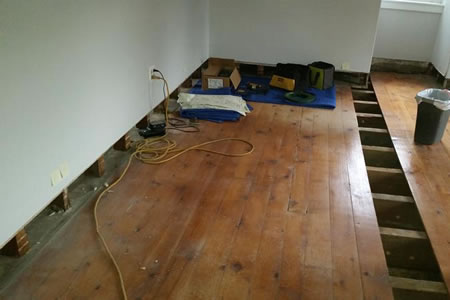
Owning a pre-war home near the Newtown Historic District is special. Thick plaster, original trim, and old-world charm are hard to beat. Yet safe power is non-negotiable. If outlets feel warm, lights flicker during summer storms, or you see cloth-covered conductors in the attic, your home may be ready for old home rewiring in Newtown PA. When our licensed electricians at Mandia Electric assess a house, we look for aging materials, missing grounding, and signs of heat at terminations. If an upgrade is needed, our team plans a neat, low-dust path and coordinates with code officials so your project stays on track. For a deeper look at methods and materials, see our electrical wiring overview.
Why Old Wiring In Newtown Homes Deserves A Close Look
Many Bucks County houses built before the 1950s used knob-and-tube. Some 1960s and 1970s homes received aluminum branch circuits. Both systems powered families for years, but today’s loads are heavier. Window A/C units, kitchen appliances, gaming systems, and EV chargers push older circuits beyond what they were designed to carry.
Pennsylvania projects follow the state’s Uniform Construction Code, which references an adopted edition of the National Electrical Code. Local inspectors in Bucks County apply those requirements, and some historic review boards expect conservative safety margins and minimal visual change. We align your upgrade with these expectations by providing clear scope, product cut sheets when needed, and a workmanship plan that respects historic fabric.
Old Home Rewiring In Newtown PA: How We Upgrade Without Gutting Plaster Walls
Newtown Borough and nearby neighborhoods like Newtown Grant, Wrightstown, Washington Crossing, and Yardley include many plaster-and-lath homes. Our approach is to keep walls intact whenever possible. Here is how our electricians usually proceed in a lived-in house:
- Map the home from attic to basement, tracing circuits with a circuit tracer and documenting shared neutrals or hidden junctions.
- Use existing vertical chases, closets, plumbing stacks, and corner spaces to fish new cable. Small “surgical” cutouts are patched the same day.
- Drill from basements or crawl spaces with vacuum-assisted bits to contain dust. We protect floors and trim, then bag debris before it spreads.
- Place old-work boxes sized for thick plaster. Where surface conduit is unavoidable, we tuck it in low-visibility areas and paint to match.
When the path cannot be fished, we may remove and replace baseboards to create a hidden channel, then reinstall and touch up. Our goal is clean lines, quiet days, and a finish that looks untouched.
Local tip: Summer thunderstorms around Tyler State Park and Upper Makefield can bring brief outages and surges. During a rewire, consider panel-mounted surge protection and verified bonding. It protects sensitive appliances and often pays for itself in prevented damage.
Knob-And-Tube: When Replacement Becomes Non-Negotiable
Knob-and-tube has no equipment grounding conductor and often uses brittle insulation. Time, heat from attic spaces, and past splices can leave it fragile. Once insulation is cracked or covered by thermal insulation, the risk of overheating and arcing increases. In many homes, the smarter path is to replace the circuit rather than keep patching.
Reasons we recommend retiring knob-and-tube include:
- Insulation damage or signs of overheating at porcelain tubes or terminations.
- Additions that mixed newer cable with older conductors without proper junction boxes.
- Lack of grounding at receptacles where modern electronics are used.
- Plans for renovation that will open walls anyway, making replacement efficient.
Do not cover knob-and-tube with insulation or bury it behind new materials. Our team removes or abandons it in place per inspector direction, then installs new grounded circuits with modern protections. Where decorative push-button switches or antique fixtures must stay, we provide compatible, code-acceptable wiring transitions that keep the look while ensuring safety.
Aluminum Branch Circuits: Safe Repair Versus Full Rewire
Aluminum expands and contracts more than copper, which can loosen terminations. Certain devices and past “fixes” also created hot connections. If your home has aluminum branch circuits from the late 1960s or early 1970s, we evaluate the entire path, not just what is visible.
Two common paths are considered after inspection:
1) Targeted Repairs With Listed Methods: Where the aluminum cable is in good condition, we may recommend transitions to copper at boxes using listed connectors and compatible devices. This work must be performed by a qualified electrician using manufacturer-specified tools and torque values. We label boxes for clarity and record every location for future service.
2) Full Circuit Replacement: If devices are mismatched, splices are suspect, or loads are high, replacing the entire run with copper often gives better long-term reliability and supports new AFCI and GFCI protections. Replacement also simplifies future renovations and panel upgrades.
Either route is planned with your schedule in mind. We coordinate access so rooms can remain usable, staging work to limit disruption. Our crews maintain a clean site and verify each repaired or replaced run with load tests and thermal checks.
AFCIs In Historic Homes: What To Expect
Arc-fault circuit interrupters help stop dangerous arcing that can lead to fires. In older homes, AFCIs can reveal hidden issues like shared neutrals, bootleg grounds, or loose terminations. Some homeowners interpret early nuisance trips as a “bad breaker,” but those trips often point to wiring conditions that need correction.
Common findings during upgrades include multi-wire branch circuits with shared neutrals, daisy-chained back-stabs, or lamp cord used in place of permanent wiring. Our remedy is to separate neutrals where required, move shared circuits to two-pole breakers with common disconnects when appropriate, or run new homeruns to the panel. We also confirm metal box bonding and device ratings. The end result is quieter panels and fewer unexplained trips when window A/C units or vacuums start.
AFCI protection helps stop hidden arcing long before it becomes visible damage. When coupled with a grounded, copper wiring system, you gain safer bedrooms, living rooms, and finished attics without changing your home’s character.
Working With Plaster: Techniques That Respect Your Walls
Plaster-and-lath behaves differently than drywall. It can crumble if struck, and cutting wide channels invites cracking. Our technicians use inspection cameras to scout studs, then steer fish rods along the cleanest course. We drill pilot holes with fine bits, score the plaster, and use old-work rings that clamp against the lath to prevent blowout.
We also pre-plan fixture heights to align with existing trim lines. For ceiling fixtures in shallow boxes, we choose rated pancake boxes and hardware suited to plaster thickness. Where chandeliers or fans are added, we install fan-rated boxes secured to framing, not just to plaster. The goal is quiet, solid mounting that looks original.
Permits, Code, And Historic Review In Bucks County
Electrical work typically requires permits and inspections. Pennsylvania’s statewide process references the National Electrical Code through the Uniform Construction Code, and municipalities in Bucks County apply those rules. Because code editions can change, we confirm requirements with your local inspector before work begins and set expectations in writing. We also prepare neat panel schedules and as-built notes so later projects are simpler.
Historic homes add another layer. Review boards often ask for minimal wall disturbance, concealed wiring where feasible, and fixtures that suit the period look. We plan early, share trim-safe methods, and document any unavoidable surface raceway on secondary elevations. Never ignore warm or buzzing outlets in the hope of skipping review. Early reporting keeps your project safe and avoids rework.
If you manage a mixed-use building on State Street or operate out of a converted farmhouse, our team can coordinate with your property manager so work hours fit your business. For larger projects, explore our commercial electrical services to see how we phase upgrades with tenant needs.
What Your Rewire Timeline Usually Looks Like
Every house is different, and the exact path varies by size, access, and season. A typical sequence looks like this:
- Assessment and Planning: Document circuits, note plaster conditions, verify panel capacity, and review attic and basement access.
- Permitting and Coordination: Submit permit application, confirm inspector preferences, and align with any historic review steps.
- Rough-In Work: Fish new homeruns, set boxes, and leave walls tidy. Temporary power remains available to key rooms when possible.
- Device and Fixture Setting: Install tamper-resistant receptacles, switches, and properly supported fixtures.
- Protection and Testing: Add required AFCI or GFCI protection based on room and code cycle, tighten terminations to spec, and perform function tests.
- Inspection and Wrap-Up: Walk-through with you, finalize labeling, and provide documentation for your records.
How We Keep Dust Low And Schedules Predictable
We stage containment with zip walls where needed, run HEPA vacuums as we drill, and protect floors with runners. Our teams work in small zones to keep areas open for daily life. In winter, we plan for dry air and static that can reveal weak terminations. In summer, we account for attic heat and schedule early starts to keep crews efficient and your home comfortable. Communication is steady so you always know what is next.
When you want a quick overview of related options, you can browse our services page for panels, lighting, and upgrades that pair well with rewiring. If you need details about materials and methods we use in homes like yours, the rewiring service section gives a practical summary without the jargon.
Signs Your Home Is Ready For An Electrical Upgrade
Not every older house needs a full rewire right away, but certain clues deserve attention:
- Two-prong outlets or frequent use of adapters to fit three-prong plugs.
- Light dimming when appliances start or breakers that trip often.
- Warm switch plates, a faint buzzing, or a burnt odor near devices.
- Porcelain knobs or cloth wiring visible in the attic or basement.
Aluminum connections require special methods and tools to be safe. If you suspect aluminum wiring, let a licensed electrician inspect and document conditions. A short visit can prevent larger problems later.
Ready To Plan Your Upgrade With A Local Electrician?
Rewiring a historic home should improve safety without stealing its charm. The Mandia Electric team works in Newtown, Richboro, and across Bucks County with a clean process and clear communication. If you are researching old home rewiring in Newtown PA and want straight answers, call us at 215-752-2906 to schedule an in-home assessment that respects your time and your walls.
We will outline options, coordinate inspections, and deliver a neat finish that blends into your plaster and trim. When you are ready to move forward, our project manager will build a simple, room-by-room plan and keep you updated until the last plate is on the wall.