Philadelphia Backup Generators: Choosing the Right System for Historic Rowhomes and Storm Power Outages
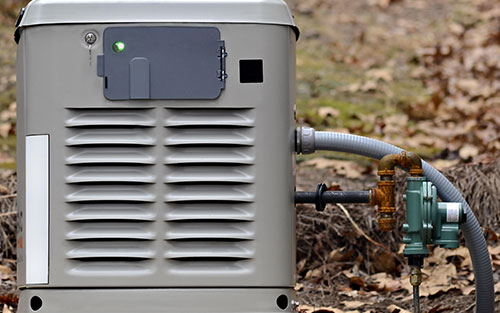
Philadelphia backup generators keep rowhomes comfortable when summer thunderstorms, coastal wind, or winter ice knock out the grid. If you live in Fishtown, Queen Village, or a tight South Philly block, picking the right setup is about more than watts. It is about safe placement, quiet operation, clean fuel, and a professional plan that respects your historic home. If you want a seamless, automatic solution, explore standby generator installation with a licensed electrical team that knows city housing stock.
Rowhomes pack people and systems close together. Shared walls, narrow alleys, and small patios limit where a unit can sit and how it exhausts. Neighbors are close, so sound matters. City permits and inspections also matter, especially if you are tying into a natural gas line. If you are just starting your research on Philadelphia backup generators, use this guide to compare permanent standby systems with a portable generator plus a manual transfer switch.
Why Backup Generators Matter in Philadelphia Rowhomes
Philadelphia weather brings heavy rain, wind, and the kind of heat waves that stress old infrastructure. Many rowhomes still rely on older wiring layouts, long circuits, and basements with limited ventilation. Keeping the fridge cold, the sump pump running, and medical or work equipment powered is not a luxury during an outage. A reliable backup plan prevents spoiled food, basement water issues, and long nights by flashlight.
Outages are disruptive, but they do not have to be chaotic. The right home generator approach protects essentials and gives you control when the power flickers. It also helps sensitive electronics, routers, and smart thermostats ride out surges and sags that often come with storms.
Standby vs. Portable: Which Fits Your Rowhome
Space and Placement on Tight Lots
Permanent standby generators need clear airflow, safe exhaust, and firm mounting. Rowhomes often have tiny side yards or only a rear patio, so placement becomes a puzzle. Many owners choose compact air-cooled models and a pad location that avoids windows and keeps sound directed away from neighbors. Your electrician will confirm safe clearances and propose a layout that respects brick, stone, and shared walls.
Fuel and Gas Line Integration
Most standby units run on natural gas or propane for long run times. Gas line work and meter tie-ins must be handled by licensed pros, and city or utility permits may be required. Propane can be an option when natural gas is not available, but tanks must be sited safely and within local rules. **Always use a licensed electrician for transfer switches and gas connections.**
Noise and Neighbor Considerations
Rowhome blocks are close-knit, and sound travels. Manufacturers list decibel ratings for both exercise and full-load operation. Quieter enclosures and thoughtful placement help. Check neighborhood standards and any association guidelines before finalizing a model or location. **Keep neighbors and noise rules in mind when choosing placement.**
Electrical Capacity and Panel Readiness
Older panels may be undersized for modern loads plus a generator connection. Your electrician will check grounding, labeling, and available breaker spaces to ensure a safe tie-in. If your system is strained or outdated, upgrade recommendations may follow. Protection for electronics is also smart when outages are common; many homeowners pair backup power with whole-home surge devices available through surge protection.
Philadelphia-Friendly Options for Limited Outdoor Space
Not every property can host a large standby unit. That is where a portable generator with a professionally installed manual transfer switch can shine. The switch lets you power selected circuits safely without unsafe extension cords. You can prioritize the fridge, lighting, Wi-Fi, and a mini-split while keeping noise and exhaust outside in the open air.
- Compact standby units can fit on small pads and handle essential circuits with load management.
- Portable setups with a manual transfer switch give flexibility for very tight lots or strict curb appeal rules.
Both paths should be designed by a licensed electrician who understands Philadelphia building styles and seasonal weather. **Do not run portable generators indoors or in enclosed alleys.** Your team will plan safe cord routes and an outdoor operating area that breathes well.
Checklist: Standby Generator or Manual Transfer Switch
Use this quick checklist to decide which approach is a better fit for your rowhome. Bring it to your site visit so your electrician can tailor a plan.
- Space: Do you have a safe, ventilated outdoor spot that meets equipment clearances and respects property lines?
- Fuel: Is natural gas available, or is propane more realistic for your block?
- Outage Frequency: Do storms or utility work interrupt power several times a year in your area?
- Loads: Do you need whole-house coverage or just essentials like the fridge, outlets for charging, internet, and a few lights?
- Panel: Is your electrical panel labeled, grounded, and sized for a generator connection?
- Noise: Will nearby bedrooms or neighbors be impacted by exercise cycles or full-load operation?
- Rules: Are there local or association guidelines about equipment visibility, location, or sound?
- Future Proofing: Are you adding HVAC, EV charging, or a finished basement that will change your load?
If you checked most boxes for space, fuel access, and whole-home comfort, a permanent standby system may be right. If space is tight or you only need essentials, a portable generator with a manual transfer switch may fit better. Your electrician can map both options and price ranges so you can compare apples to apples through our home generator services.
Permits, Inspections, and Professional Installation in Philadelphia
Backup power touches electrical and often gas systems. That means permits and inspections may apply, and utility coordination can be part of the process. A licensed contractor will prepare drawings, submit paperwork where required, and schedule inspections so your system is set up safely and legally. **Schedule permits and utility coordination before ordering equipment** to avoid delays when a storm is on the radar.
Historic materials add another layer. Brick and stone walls, plaster finishes, and limited chase space call for careful routing and labeled documentation. For background on caring for older homes, see our insights on electrical maintenance for Philadelphia rowhomes.
How a Pro Designs a Reliable Backup Plan
Good design starts with a load interview and a walk-through. Your electrician will identify priority circuits, check the panel, and look for clean paths for wiring and gas lines. They will size the generator or portable setup for realistic running loads, not just starting surges. They will also confirm safe exhaust direction and outdoor cord routing that will not block stairs or alley access.
The plan should include transfer equipment, grounding verification, and labeling that is easy to follow during an emergency. It should also include maintenance scheduling so the unit is exercised regularly and ready before the first big storm.
Protect Appliances and Electronics During Storm Season
Storms do not just cut power. They also create voltage spikes when service returns. Pairing your generator plan with whole-home protection helps refrigerators, routers, and entertainment gear survive rough weather. Ask your electrician about adding surge protection while they are working on the panel so your system is ready for the next thunderstorm line that rolls across the river.
Real-World Scenarios for Philadelphia Blocks
Queen Village patio with limited side yard: a compact standby unit can serve essentials with smart load management, leaving space for trash storage and bikes. Northern Liberties home-office setup: a manual transfer switch keeps the modem, router, lights, and a small mini-split online during daytime outages. Fairmount basement with a sump pump: prioritize that circuit so heavy rain does not turn into a water problem. Every block is a little different, which is why an on-site visit helps you pick the safest, quietest plan.
Maintenance That Keeps You Ready
Backup power should start without drama. Your electrician will set a weekly or monthly exercise schedule, verify oil and filter intervals, and test the transfer equipment. Portable owners benefit from a start-up routine and fuel rotation schedule. Standby owners benefit from periodic checks of gas connections, battery status, and ventilation paths. **A brief preseason check prevents headaches on the first bad-weather night.**
Ready to Plan Backup Power for Your Rowhome?
When storms threaten, you want a simple, safe plan that just works. Talk with Mandia Electric about a design that fits your lot, respects your home, and keeps essentials running. For ideas and next steps, review our home generator services, then call 215-752-2906 to schedule a licensed site visit. We will help you weigh a permanent standby unit against a portable system with a manual transfer switch and guide permits from start to finish.